First, a disclaimer: Your ride is your creation, and if you love an idea, you should run with it. That said, there’s a certain subtlety among vanity plates in Japan that reflects the quiet cleverness of the culture there — whereas American vanity plates all too often go for the painfully obvious model name. You’ve gone through the trouble of sourcing authentic JDM parts, or maybe even an actual right-hand-drive import. How do you pick a novelty plate that feels authentic? Here are some pointers we gathered while browsing our JDM vehicle importer friend Caylon’s must-see Instagram feed.
Your bold American sensibilities may tempt you to go for the deadpan SILVIA plate, but you’d never see letters on an actual JDM number plate. Consider instead going for a meaningful number related to the car: the displacement, for instance, or the numeric portion of the chassis code. Think Easter Egg, not obvious billboard.
Browse the @downthedori feed, and you’ll notice a curious trend: numbers that read the same backward and forward are extremely popular among the Japanese tuner set. Repeating patterns such as “99 – 99” seem popular, too, but we rarely if ever see a sequence such as “12 – 34”.
Among the most impactful plates in Japan are those containing placeholder dots. Low-series plate numbers are highly desirable no matter what country you’re from, and this uniquely Japanese approach is all too uncommon among replica tribute plates.
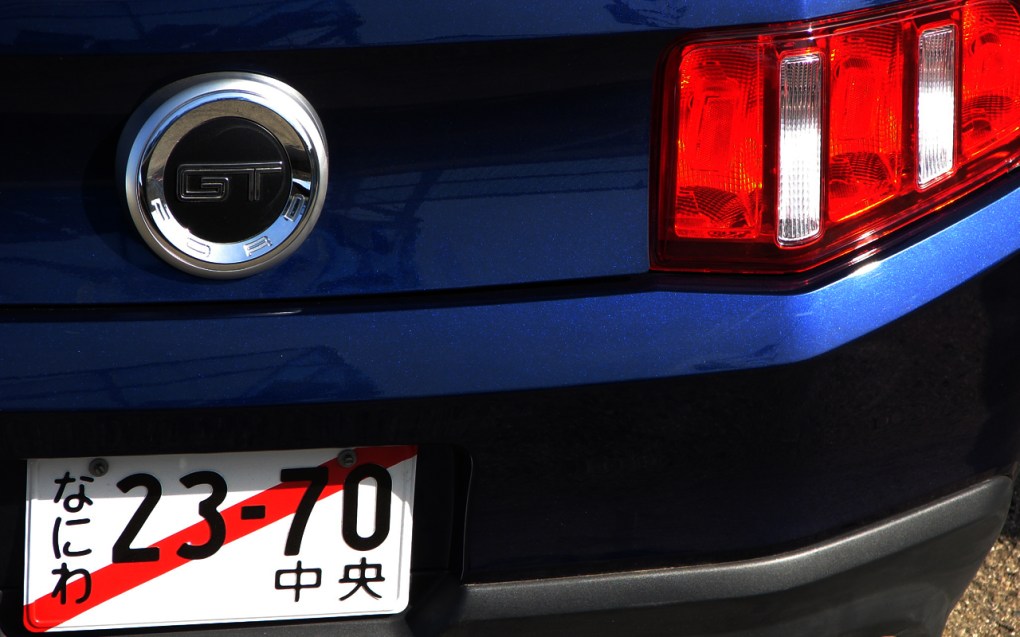
If your clever plate idea incorporates a unit of measure, just remember: real Japanese people use PS, not HP. Plates that include “MPH” or “HP” might leave an actual Japanese observer with a stare as blank as this road-legal plate.
No one ruins a Silvia quite like Mitsuoka. Did the owner love this car authentically or out of irony? The repeating plate is a tip-off that, whatever the case may be, this owner is more than enthusiastic to talk about his car.
Could this be a real 993 GT2? If not, it’s a convincing copy of a million-dollar car. Either way, zero plates are a coveted status symbol among enthusiasts in Japan, usually presented as a pair of zeroes either leading or trailing another set of double-digits.
Whether it’s II – II, II, I – I or just I, Japanese enthusiasts have a penchant for the linear look. Instead of a platform for advertisement or personal statements, Japanese number plates are often customized to a design aesthetic that creates a clean look.
If you’re lucky enough to own a car with an all-numeric chassis code, by all means, go for it. No one’s going to argue this approach on a Porsche.
To preserve owners’ privacy, Caylon edits elements of each license plate in an effort to allay any sensitivities. Though the individual plates might be altered, the overall gallery gives a good sense of the custom plate aesthetic in Japan.
With these essentials in mind, I finally created my own personalized JDM number plate to wear at car shows and Tail of the Dragon runs. Like the best custom plates, this one has a story. Decode the mystery behind the numbers when I debut the plate in 2022.
By the way: if you’re wondering about the title photo, let’s go back eleven years and remember the time I met Vaughn Gittin Jr. in Japan for a tour of the unreleased 2010 Mustang’s drift skills. Mustang Drifts Japan was a life-changing experience.
Congrats to SEMA Action Network on the passage of expanded Antique Vehicle usage in Illinois! Our friends at “SAN” (Sema Action Network) are our most powerful ally in our mission to advocate for and protect our ability to continue driving the cars we love long into the future!
From the SAN Blog:
Success in Illinois! Governor JB Pritzker signed into law SAN-supported legislation (H.B. 2548) to allow “Antique Expanded Use” vehicles to be driven without limitation for two additional months. Expanded-use antique vehicles are defined as being more than 25 years old or a “bona fide replica” and were previously limited to traveling to and from auto shows, exhibitions, service stations, and demonstrations during the colder months (November 1 through March 31), but could be driven without limitation during the warmer months (April 1 through October 31). The new law expands the months without driving limitations to March 1 through November 30. The law went into effect on August 20, 2021.
Thank you to Representative Andrew Chesney for sponsoring this bill and to those who supported this effort—congratulations!
I have been long putting off some writing discussing SAN and will make it a priority, but for now you can learn more here, and support SAN by participating in their efforts in your state!
Mitsubishi’s performance heyday may be behind us, but the brand boasts one of the most dedicated legions of followers in the industry, with owner meets and trackside gatherings every month from spring to fall. Mitsubishi also sells one of the last manual transmission subcompact cars in the US — so just how did the five-speed Mirage get its name?
That might remain a mystery, since Mitsubishi Motors’ Japanese historical site helpfully explains that the name “Mirage” means… a mirage. But it’s here that we learn the playfully named “Dingo” variant is a portmanteau of ‘Diamond’ and ‘Bingo’, which somehow translates into “a car that fits the needs of the times.” Okay, Mitsu — if you say so.
Few manufacturers care enough about their heritage to feature past models on their website. Evidently, marketers don’t seem to realize that millions of dollars of brand equity and affinity don’t just die when a model stops production. As the Ralliart performance brand gears up for a re-launch, it’s encouraging that Mitsubishi cares enough about their past models to offer at least a token peek into their name origins.
Here, we learn the overland favorite Delica got its name from being a “Delivery Car”, with the Space Gear trim owing its name to the “abundant utilization of interior space”. FTO, we’re told, stands for “Fresh Touring Origination”. An unmentionable myth is dispelled: Pajero, it turns out, is the Argentinian name for a mountain cat — so forget the vulgar urban legend you’ve heard.
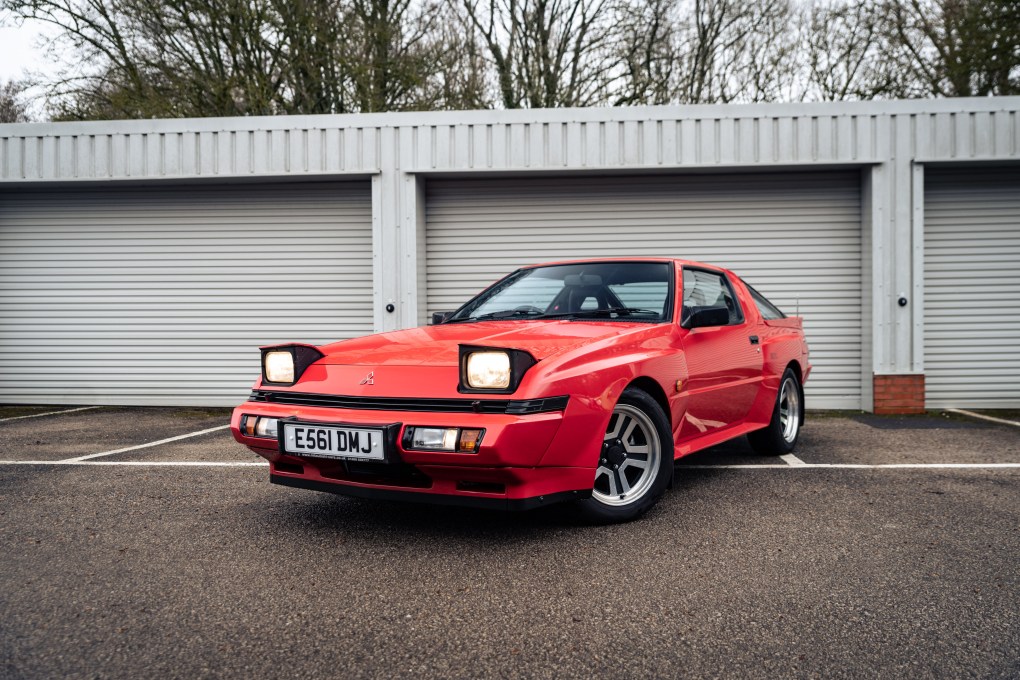
A comprehensive catalog of name histories awaits on Mitsubishi’s Japanese-language homepage, highlighting the brand’s particular interest in equine names: Eclipse, it turns out, was the name of a famous British racehorse in the 18th century; the name logically follows the Starion, named after the Star of Arion, a mythological racehorse descended from Poseidon and Demeter. Colt, naturally, is the fledgling of the family of race horses.
It feels like a lifetime ago that I was in Vegas chatting with Mark Allen, Jeep’s design shepherd (and my former boss), over some rye whiskey about the plausibility of an electric Wrangler which utilized traditional gearing and axles. It had been on my mind as the topic of manuals on electric cars comes up pretty frequently at TMGPS, and we had just seen the Ford/Webasto Mustang collaboration debut earlier that day at SEMA. Like most of my conversations with Mark, it was somewhat nerve-racking; either he’d dismiss the idea with stinging disapproval or he’d dismiss the idea with a mischievous grin, make a sarcastic joke, and change the subject. To my delight, and most likely thanks to the Manhattans, he was unusually receptive to the conversation. He told us about a friend of his who had built something along those lines and that it had worked fine. “You can start in 1st or you can start it in 4th, doesn’t matter! You don’t need the gears, but they’re there if you feel like going through them…” he said. I asked if there was any benefit to having the low range gearing when it came to crawling with a hypothetical electric Jeep. To which he responded with a shrug, and then changed the subject. I turned to my old pal Chris Piscitelli who had been responsible for the Moab Easter Jeep Safari builds for the past several years and asked what he thought about doing a build. “They don’t really let us do manuals anymore. A lot of the journalists don’t know how to drive them… besides, they’re moving me to Dodge when I get back.” EJS got canceled due to Covid-19 about six months after that conversation.
Many electric car experts will be quick to point out the on-demand torque of a BEV as a means for shedding the weight and complexity of a multi-ratio gearbox. As someone who loves driving manuals, but is also very interested in electric cars, the ultra-low ratios found in something like a Jeep Wrangler has always seemed like a great opportunity to experiment with the idea of slowing down typically high-RPM electric power with more traditional drivelines. The fact that Wrangler is also required to operate at highway speeds, and has limited space for batteries, means that there could also be a benefit to using the higher-end ratios to eke out some extra wheel speed from a motor that is turning at a lower RPM and potentially using less of the stored energy.
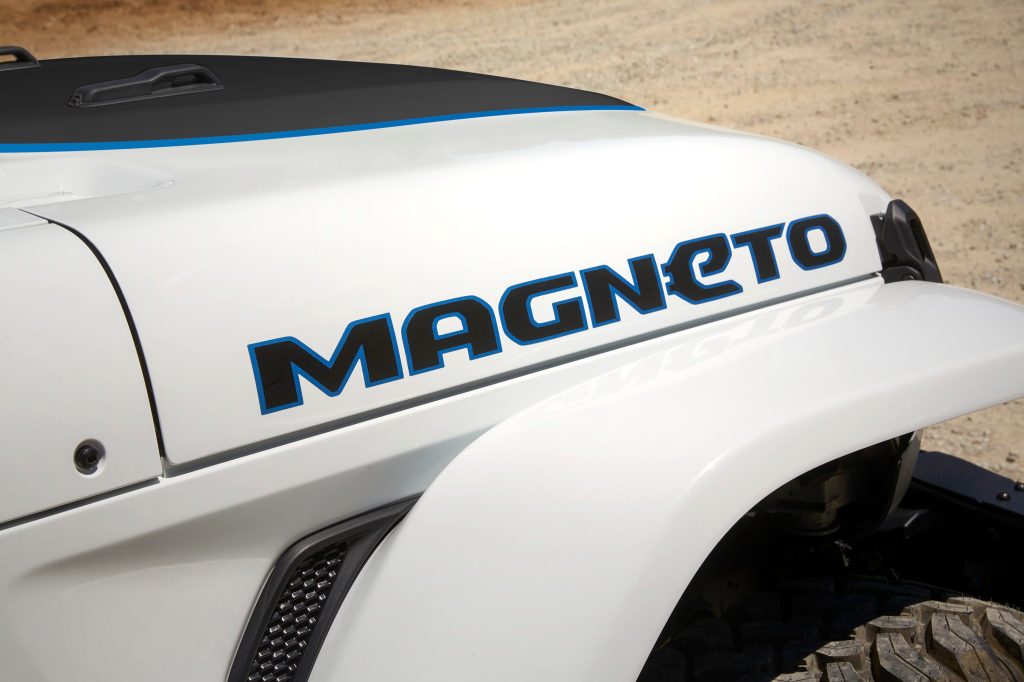
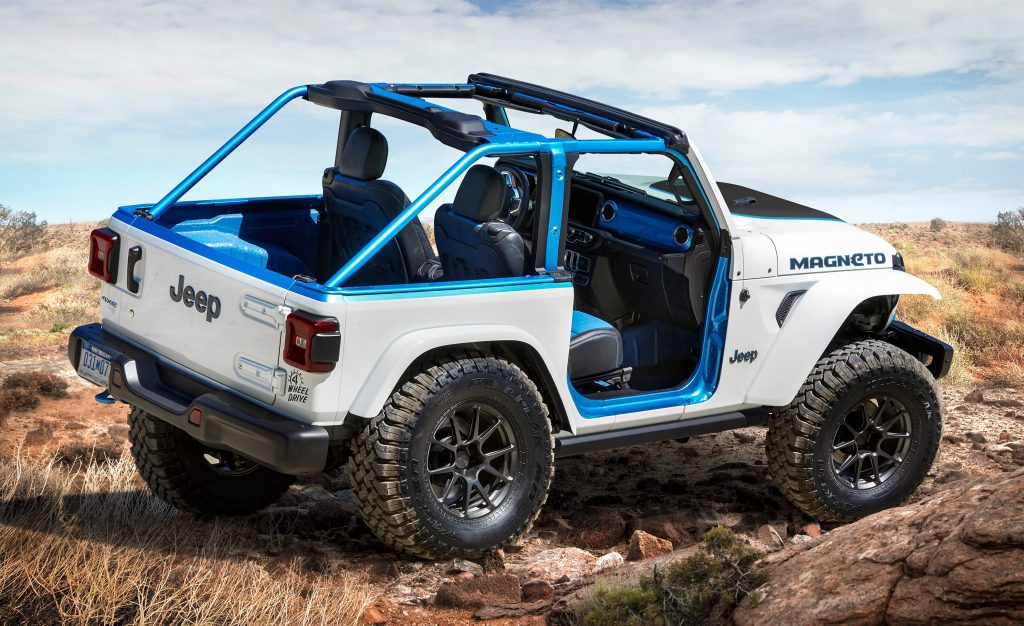
I was thrilled last night when I found out that the Jeep Magneto concept would in fact mate an electric motor to the stock JL 6-speed manual and drivelines! I have to say I’m a little salty we didn’t get a heads-up, and a chance to slap a TMGPS decal on it, but hopefully they’ll make it up to me with a chance to drive it one day. Until then, I can’t wait to find out how it does out on the trail and whether or not it’s an idea that makes sense for future production products.
Rather than crafting a homestyle copy pasta of the press release, I’m going to just let the fine folks at Jeep describe it in exactly the way they penned it.
“The Jeep Wrangler Magneto concept is a fully capable BEV that is stealthy, quiet, quick and an unmistakable rock-climbing force. Jeep brand engineers and designers have created a zero-emission vehicle with Jeep 4×4 capability that provides new levels of efficiency, environmental responsibility, and performance on- and off-road.
Based on a two-door 2020 Jeep Wrangler Rubicon, the Jeep Magneto uses a custom-built axial flux electric motor that operates up to 6,000 rpm. The e-motor is connected to a six-speed manual transmission, creating a unique manual-electric powertrain with a clutch that operates as it would with an internal combustion engine. In quick-shift scenarios, the e-motor engages regen upon clutch engagement to prevent rev-hang.
Comparable to the 3.6-liter Pentastar V-6, the compact e-motor is tuned to deliver up to 273 lb.-ft. of torque and 285 horsepower. Intentional calibrations developed during testing help the Magneto’s powertrain emulate the driving experience of the V-6, matching not only torque but also horsepower. During moderate driving, the performance difference between the V-6 and the Magneto’s unique manual-electric powertrain is negligible except for near-silent operation.
When greater acceleration is needed, the e-motor delivers all 273 lb.-ft. of torque without the need to build up revolutions per minute. The Magneto concept runs 0-60 mph in 6.8 seconds.
Powering the Jeep Magneto’s e-motor are four battery packs with a combined power of 70 kW/h, running an 800-volt system. The lithium-ion batteries are distributed around the Wrangler to balance weight on the four wheels. One pack replaces the Wrangler’s mid-ship fuel tank, another is mounted opposite the fuel tank location, the third pack sits atop the e-motor under the hood and the fourth pack mounts in the space normally used for a rear storage compartment, also using space typically occupied by the exhaust muffler.
An inverter derived from race cars converts DC power to AC for the high-tech motor. The batteries, a vehicle interface box and the battery control module all reside in waterproof enclosures to maintain the Wrangler’s 30-inch water-traversing capability. A 12-volt battery powers existing systems, such as the radio and lighting. A second 12-volt battery serves as an auxiliary power unit (APU) for accessories, such as the winch. A DC-to-DC converter charges both 12-volt batteries, allowing long-term operation of accessories to power a campsite or an unexpectedly long winch operation. Unique mounts secure the battery packs for harsh driving and custom skid plates protect the packs from potential strikes to the undercarriage while traversing harsh terrain.
A 10-kw high-voltage heater keeps the fully open-air passenger compartment comfortable.
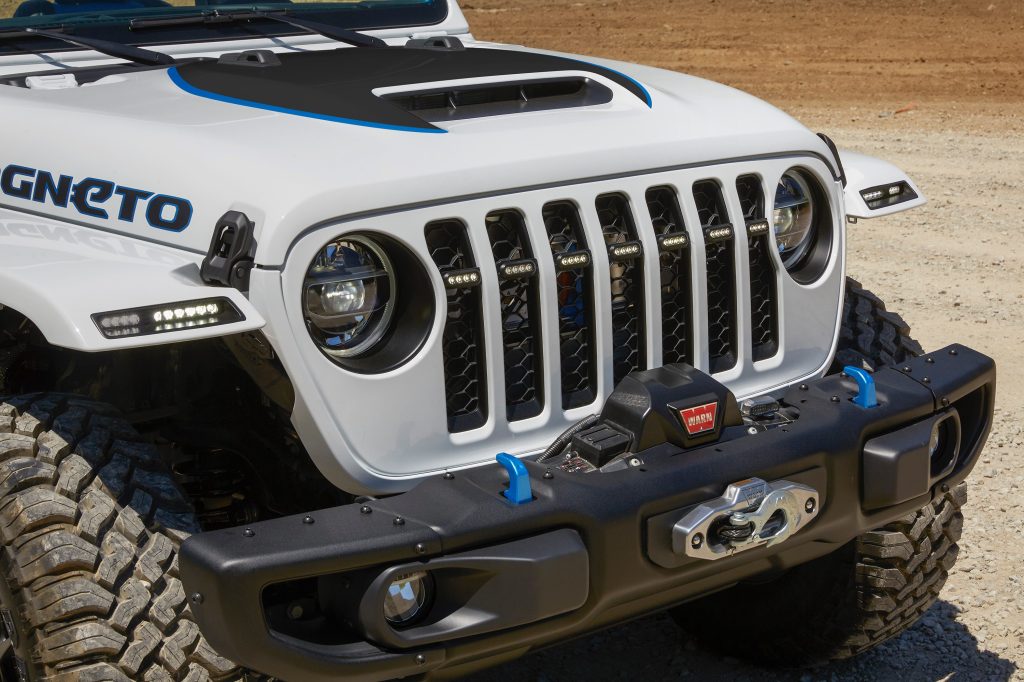
The exterior of the Magneto features a Bright White color with Surf Blue accents, along with a heavy-duty performance hood with center scoop and custom decal, redesigned rear gate and dramatic full-width forward lighting. Custom Royal Blue and Black leather seats with Sapphire-colored inserts and straps, Surf Blue truck bed liner and Mopar slush mats give the Magneto’s interior design an electrified appearance.
The Jeep Magneto comes equipped with a JPP 2-inch lift kit, 17-inch Lights Out black metallic wheels with 35-inch mud-terrain tires, custom roll cage, Mopar Rock Rails, steel bumpers with a Warn winch and a steel belly pan for added off-road capability. “
Some say that the best way to get to know your car is with a good old-fashioned road trip. I decided to break in my new-to-me C34 Nissan Stagea with a long drive to Nagano, home of beautiful mountain peaks dusted with some of the best powder snow in the world. The trip was long, expensive, and completely worth it. The Stagea and I are starting out this relationship on great terms after getting through it all together. Here are the highlights from a manual-transmissioned journey to Japan’s snow country.
The Ride
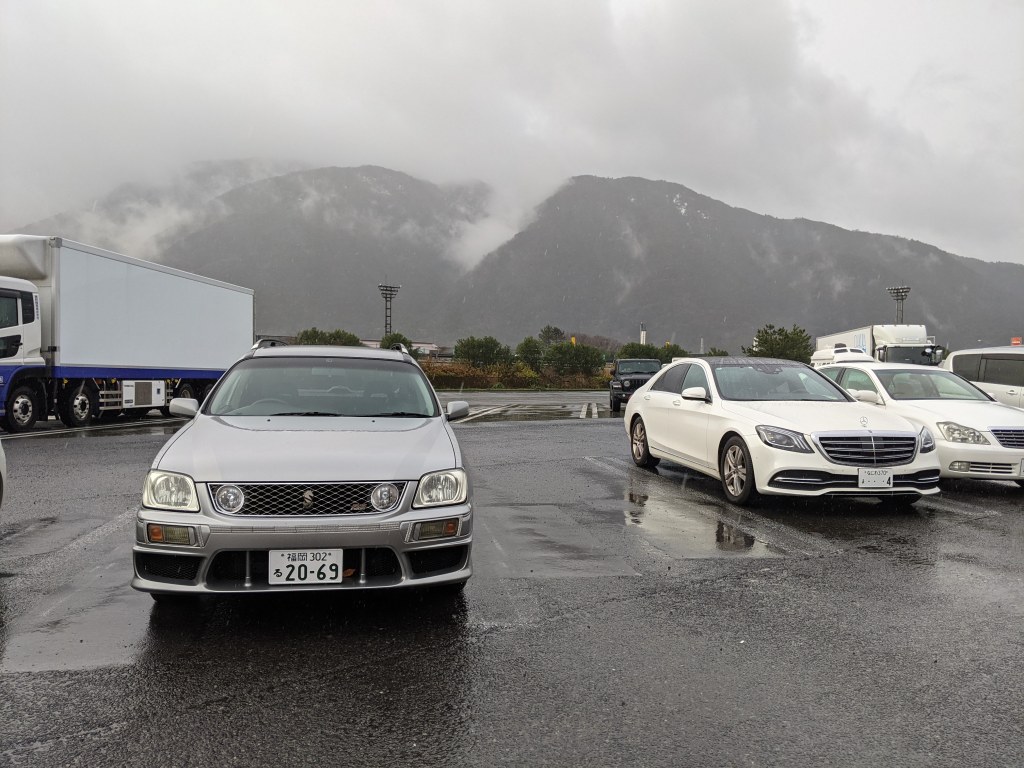
The C34 Stagea in good JDM company before the journey.
I was lucky enough to pick up a dream car in late 2020: a manual wagon with 4WD and a turbo engine from Godzilla’s tamer cousin (Sorry it’s not brown and diesel). This Stagea 25t RS FourS is an amazingly spec’d wagon, with all of the ’90s Nissan goodies one could want. First of all is the RB25DET engine, one of the last iterations of the legendary RB series, with plenty of power and reliability to boot. This came mated to a 5-speed manual transmission, the good old three-pedals that we all know and love. From the transmission, power is distributed to all four wheels via Nissan’s ATTESA system, famously found in the Nissan GT-R of similar vintage. The final abbreviation in this drivetrain formula is HICAS, Nissan’s four-wheel steering system also found on the Skyline and other models. This all comes together to provide an excellent driving experience, and makes this long wagon feel way smaller and nimbler than it has any right to be. It’s also perfect for a winter journey into Japan’s powder bowl.
The Route
Fukuoka to Nagano by car, roughly 14 hours straight.
Japan isn’t a huge country, but there is plenty of space to spread out your wheels and travel. This particular route had us going from the far west island of Kyushu, up to the northern tip of Nagano prefecture. A to B was estimated at roughly 14 hours by Google Maps, and that turned out to be fairly on-point. There was also an incoming snowstorm scheduled to dump many centimeters of precious powder snow on the roads and slopes ahead. Great for my powder-seeking ambitions on the mountain, but the Stagea was considering the slippery roads up to the slopes.
Preparation
Aside from the standard preparations one makes for a road trip, there were other considerations for such a journey across Japan. In the wintertime, Japanese highways often require winter tires (studless, as they’re called here) and/or chains to drive on snowy roads. A set of Yokohama Ice Guard tires did wonders for the trip, and I couldn’t get them sliding as hard as I tried.
Another impediment to the road trip was the toll. Japan has one of the most well-maintained and thoroughly reaching highway networks in the world. Seriously, this country takes infrastructure to an entirely new level. Featuring over 4,500km of tunnels alone, it’s a modern marvel just traveling around on the highways.
To pay for this, they’ve created a clever system, called ETC, to automatically pay tolls via credit card. You must have an ETC reader installed in your car to use this system. My Stagea, with all of it’s wonderful Nissan 90’s tech, did not have a reader. So off to the Yellow Hat tire store we went to get an ETC reader installed. Once finished, I had a lovely little Japanese woman alerting me of my toll balances all along the way. Luckily she can be muted.
The Journey
Taking a break on the Meishin Expressway
This trip ended up being a sort of mad-dash to get out there. We left around 7pm, planning to run all night and nap along the way. Nothing too remarkable on the journey there, just long roads and plenty of tunnels to cut the signal on my podcast stream. The Stagea is an amazingly well-suited road trip machine; despite the lack of cruise control it was smooth sailing from Fukuoka to Kobe without a hitch. The turbo kicks in right under 3000 RPM, making for plenty of fun overtaking action along the way.
Around Kobe I settled for the night at a highway service station, which is a fairly common practice in Japan. Even cars are socially distanced here, usually with two or three spots between them for privacy. There were plenty of Alphards and Hiaces with full curtains pulled over the windows for ultimate VIP napping. I didn’t have such luxurious curtains, but slept well under the cargo cover in the back of the Stagea. The length of the wagon allowed me to easily stretch out all 170cm of my height with room to spare. The Stagea passed the first road trip test with flying colors.
Japan does vans right, so right that they even do USDM vans right!
I managed three to four hours of solid Stagea napping before waking up and deciding to head out, but not before enjoying the luxuries of the Japanese service station. With an aesthetic similar to your favorite outlet mall, this rest stop was a great place to wake up. Also, the toilets on Japanese highways are second to none: seriously, you need to try them out if you ever come over here. Anyway, after enjoying the facilities, we were off again.
Anti-Tailgating poster in a Japanese highway service station
The next leg of the journey spanned from Kobe to Nagoya on the Meishin Expressway, passing Osaka and Kyoto on the way. Luckily, this highway skips most of the major city centers, and traffic was moderate the entire way. It was mostly a fifth-gear affair throughout the Meishin, and smooth sailing until we got into higher elevations.
Once passing Nagoya, we hopped on the Chuo Expressway, one of two major routes connecting Tokyo and Nagoya. Here, the rain began, which was definitely snow up in the hills. We were lucky not to encounter snow until we were well into the valley, and even then it was quite light. We made the trek without any issues, and rolled into Matsumoto in time for lunch roughly 17 hours after beginning the trek from Fukuoka.
Snowy 4WDs Of Nagano
A well insulated Prado in Nozawa Onsen Village.
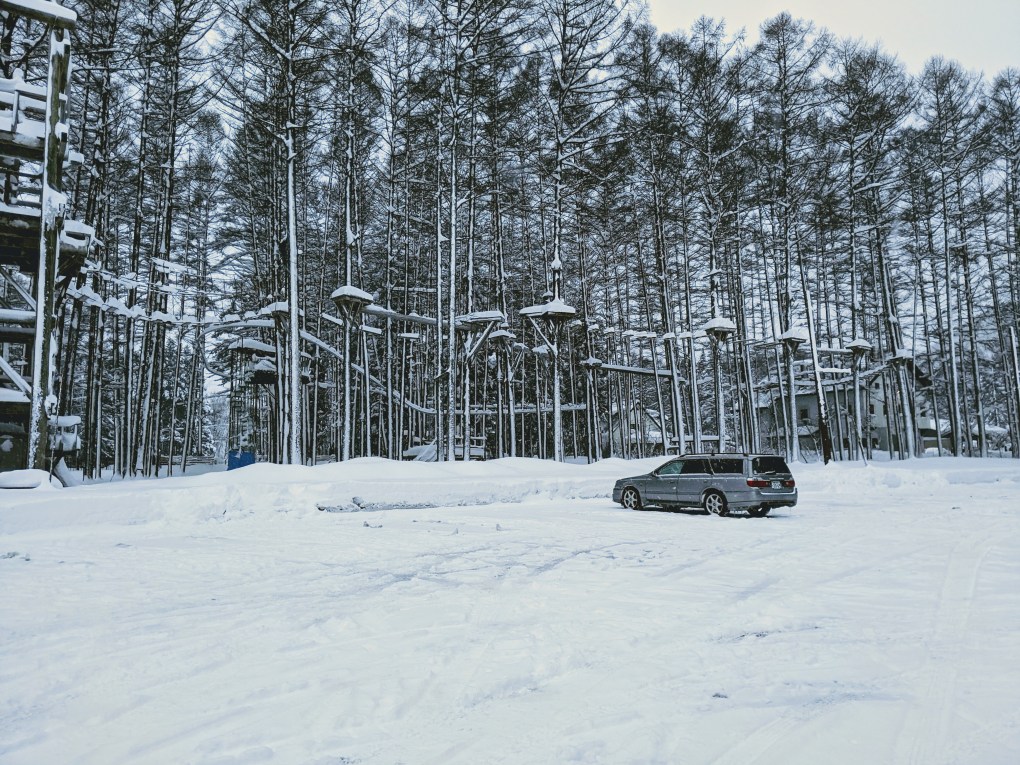
We spent a week in Nagano, traversing between Hakuba, Matsumoto, and Nozawa Onsen. The Stagea performed perfectly in all conditions, from rain to blizzard, with no issues at all. It was an absolute joy to row through the gears up and down these snowy mountain passes, getting to and from the various ski resorts we hit up during the week.
We also met many other amazing Japanese winter machines, also gladly traversing the snow just as they were designed to do. It’s seriously important to have proper snow tires and 4WD goes a long way out here. The locals and the tourists were all prepared, and we loved the sights along the way.
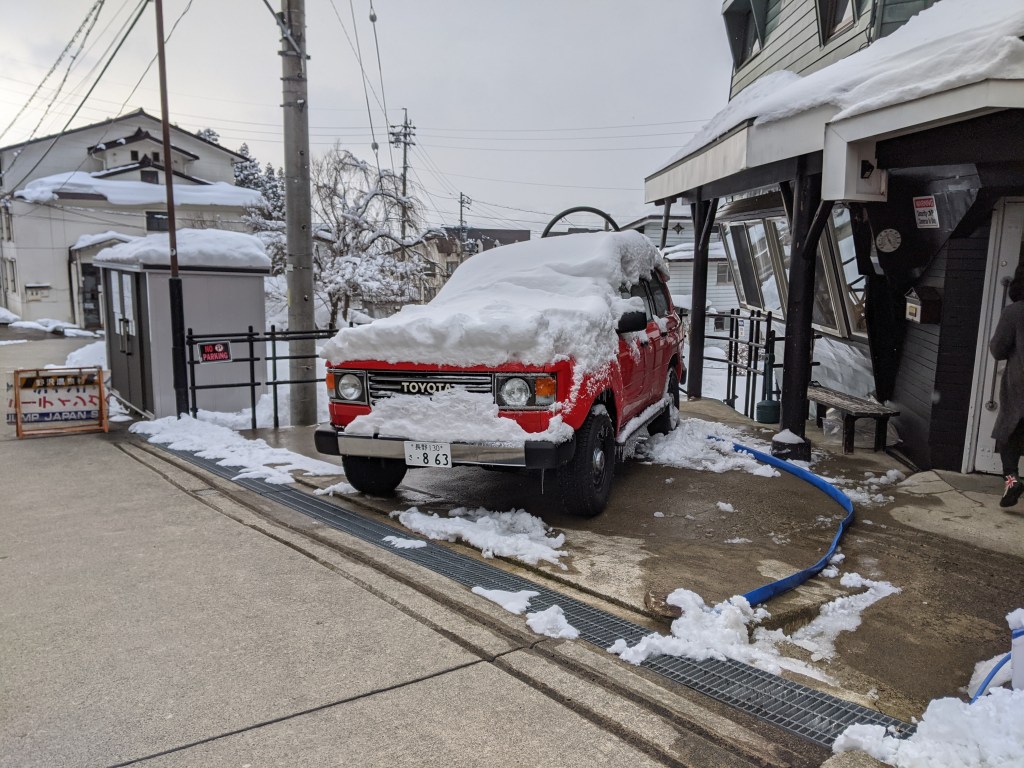
The Land Cruiser will always look right at home in the snow, this one had a manual as well!
The last stop of the journey was Nozawa Onsen, where the Stagea got a very healthy coating of snow while parked for a few days at the top of the hill. Even with all the weight, it crawled out just fine.
This was after we had already removed some of the snow from the Stagea
The Return Trip
Snow tires performed amazingly well throughout the journey
After a healthy week in the powder it was time for us to return back to Kyushu, the same way we came up. We stopped at the local michi no eki (Road Station) on the way out for some refreshments and a toilet break before hitting the long road home.
The whole journey was a great experience and a truly bonding moment for the Stagea and I. This wagon is the ultimate companion for long distance journeys and the daily commute. Better yet, it’s a true pleasure to row through each gear and push those RPMs up to hear the turbo spool. We’re looking forward to many more journeys together, and we hope you’ve got some manual roadtrip plans in the future as well.
Have you ever been a victim of the false-manual listing scheme? We all know how it goes. First, you find the perfect car for sale, of course, listed as a manual. Then you start going through the photos only to be disappointed, there’s no clutch pedal to be found. You’ve been duped! What if there was a magical place that not only lists cars correctly as manual or automatic, but also tells you what kind of manual is in the car? That place is Japan, and they really know how to classify their manuals in all shapes and forms. Here’s how they do it.
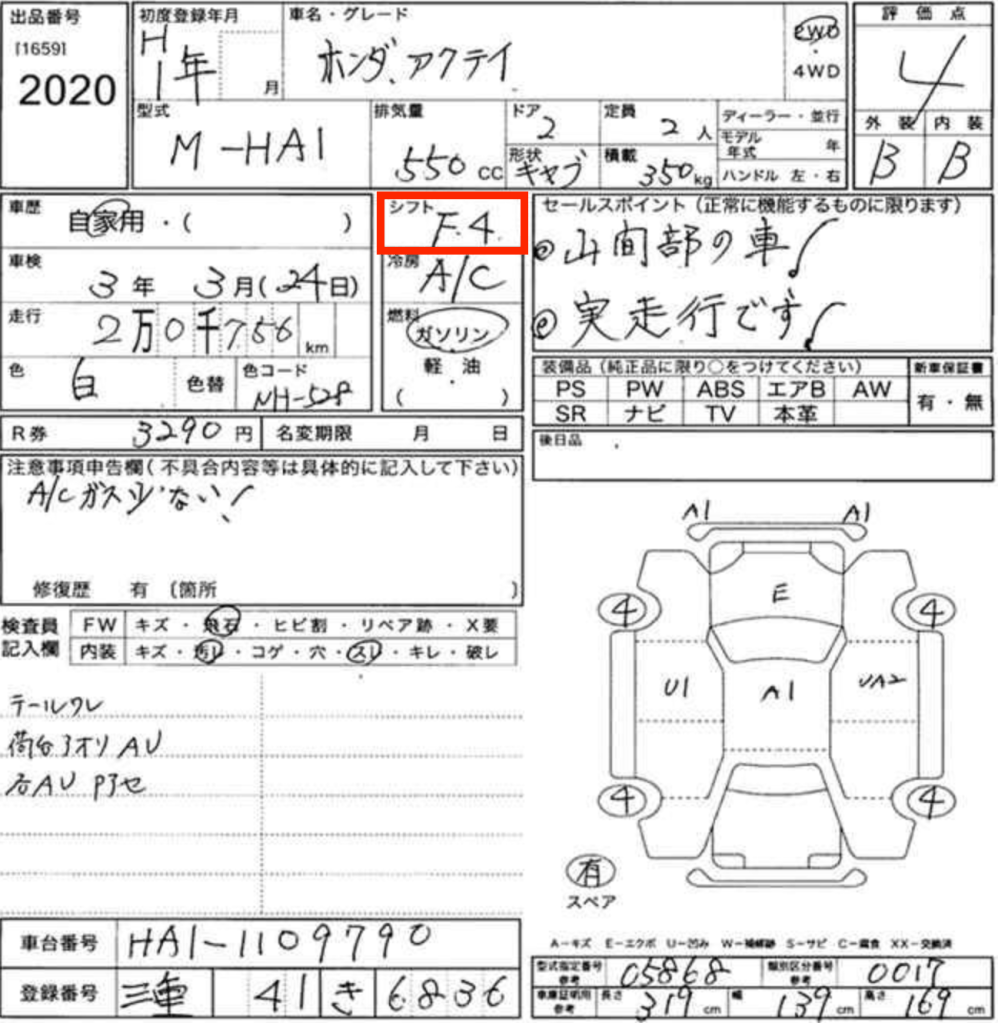
What we’re talking about specifically is the Japanese dealer auction network. You know, where those grainy photos of crazy JDM machines in white photo booths come from. The beauty of this system is that each auction house has a standardized sheet explaining everything about the cars, including their transmission. They look like this:
There’s a lot there, but this is TMGPS so we’re just here to talk about the gearbox. That section highlighted in red is where the gearbox is listed. It says “F4,” any guesses what that stands for? Pretty straightforward: “4” is the amount of gears, and “F” stands for Floor. So it’s basically saying “four on the floor.” Once you learn the system, you’ll be scoping out the best manuals that Japan has to offer. Here’s the legend below:
F – Floor C – Column I – Integrated (Dash) D – Dash P – Dash MT – Manual Transmission 1-7 – The amount of gears there are
Example: C4 = Four-speed manual with a column shifter
While it’s not a perfect system, and there are some inconsistencies among the different auction houses, this is much better than calling a Tiptronic a manual. You may also see cars listed as “MT” or just “5,” but if it has the number, you can be assured it’s a manual.
Semi trucks and commercial vehicles get a bit odd. Their transmissions may be listed as “Pro-Shift,” a semi-automated manual, or other odd figurations like “6×2.” We’ll have to touch on that in another article as there’s a ton of diversity among commercial trucks. Praise the manuals of all shapes and forms!
One of the best things we’ve discovered with this knowledge is the fact that column shifters were offered up until the early 2000s on some Nissan and Toyota commercial trucks. We wonder if any manufacturer is brave enough to bring those back…
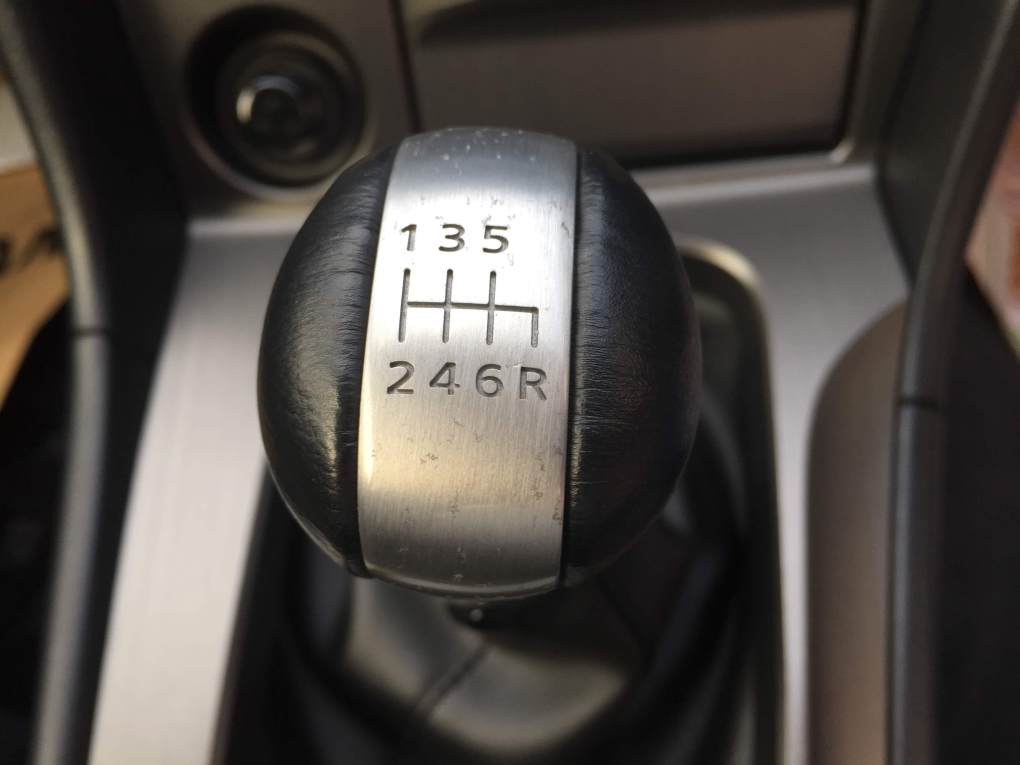
We all know that the manual transmission is becoming more and more endangered, and with that, variations of the manual are also dwindling at alarming rates. If you’re looking for a specific way to row, you can search the Japanese auctions at sites like http://www.daveyjapan.com to get your obscure shifting on. You can also find a shirt with your favorite manual shift pattern at our store, so check it out and share your shift pattern with the world!
@DownTheDori takes pictures of weird and interesting cars found on the streets of Japan. Follow @downthedori on Instagram to see what’s happening on the streets of Japan.
As we trend toward an increasingly automated driving experience, it’s vital we preserve and celebrate our bond with the automobile and protect our right to the open road. The car is an expression of liberty and freedom like no other. Its significance to our culture is profound.
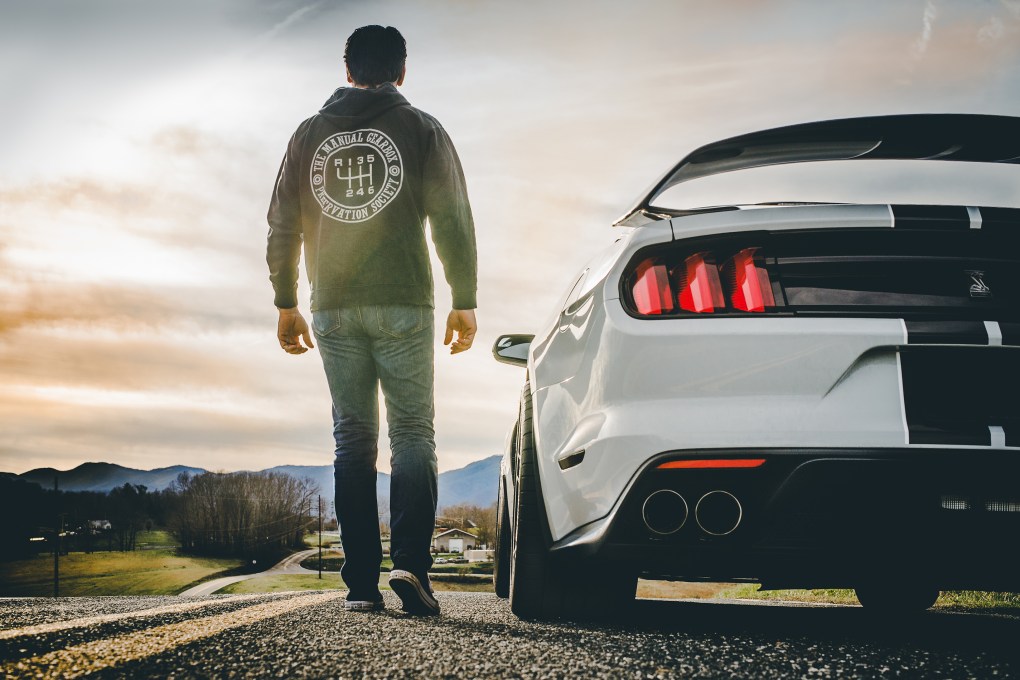
The Manual Gearbox Preservation Society started as a t-shirt, a sort of satirical statement about the state of the automobile, and an opportunity for driving enthusiasts to express their love for driving manuals. Over the past five years, that t-shirt has started thousands of conversations between strangers and can be found at pretty much any car show in the world. Over 100,000 people have joined the movement on Facebook. The dialog and enthusiasm from such a passionate group of people is both amazing and humbling.
TMGPS.org is the next logical step in our progression as an organization. TMGPS.org serves as a hub where we can organize our thoughts and ideas, as well as share our love for cars and driving. We understand that the evolution of the automobile to an autonomous battery electric vehicle is inevitable. The current business models and economies of scale are less and less sustainable, and the potential autonomous electric product offerings will make the concept of car ownership ridiculous to a majority of people. It’s exciting to think about all the possibilities and potential for cars of the future, but we believe it’s vital that we retain a place for those of us who love cars for what we’ve always known them as, in all their glory.
It seems likely that the internal combustion engine and traditional automobile will continue to be a useful and practical solution in some context, but as future alternatives erode market share, the already failing economies of scale will face increasing pressure. Elements which we consider essential to motoring will be relegated to a handful of niche options, likely in utilitarian models flanked by a few recreational and sports offerings. Whether this happens over the next decade or 50 years is irrelevant. It is crucial that we act now to protect our ability to own and operate soulful machines despite increasing hostility toward their ability to thrive.










 TMGPS JOURNAL
You must be logged in to post a comment.