
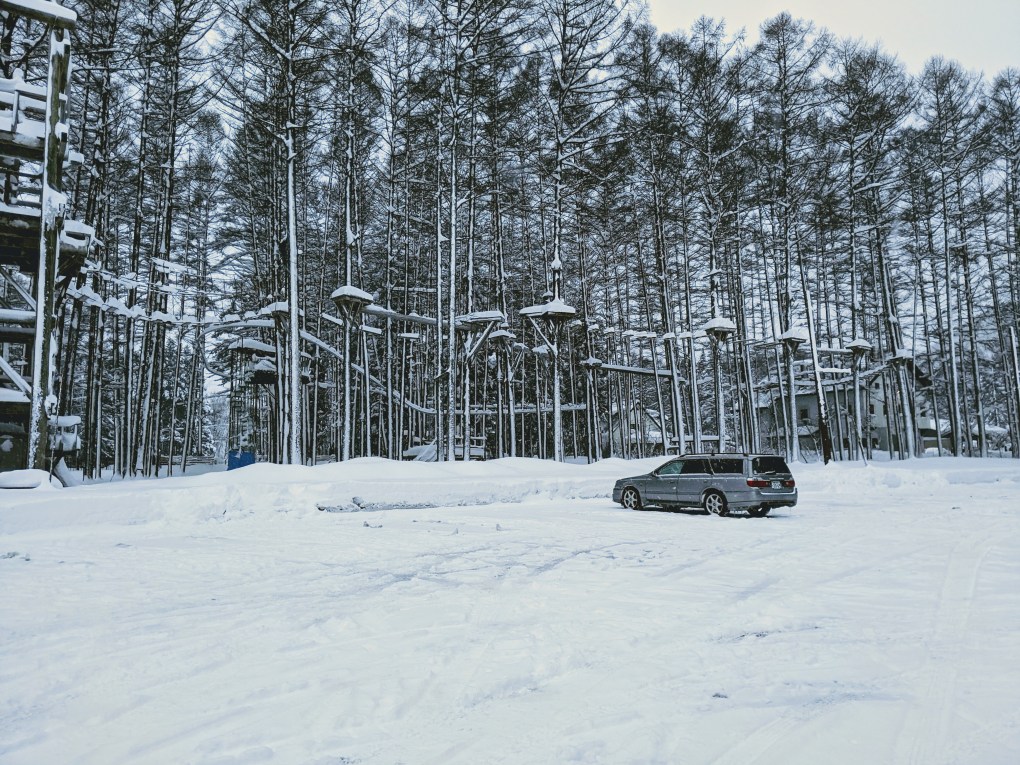
Snowy Stagea Adventures: A Japanese Winter Road Trip Story

Some say that the best way to get to know your car is with a good old-fashioned road trip. I decided to break in my new-to-me C34 Nissan Stagea with a long drive to Nagano, home of beautiful mountain peaks dusted with some of the best powder snow in the world. The trip was long, expensive, and completely worth it. The Stagea and I are starting out this relationship on great terms after getting through it all together. Here are the highlights from a manual-transmissioned journey to Japan’s snow country.

The Ride

The C34 Stagea in good JDM company before the journey.

I was lucky enough to pick up a dream car in late 2020: a manual wagon with 4WD and a turbo engine from Godzilla’s tamer cousin (Sorry it’s not brown and diesel). This Stagea 25t RS FourS is an amazingly spec’d wagon, with all of the ’90s Nissan goodies one could want. First of all is the RB25DET engine, one of the last iterations of the legendary RB series, with plenty of power and reliability to boot. This came mated to a 5-speed manual transmission, the good old three-pedals that we all know and love. From the transmission, power is distributed to all four wheels via Nissan’s ATTESA system, famously found in the Nissan GT-R of similar vintage. The final abbreviation in this drivetrain formula is HICAS, Nissan’s four-wheel steering system also found on the Skyline and other models. This all comes together to provide an excellent driving experience, and makes this long wagon feel way smaller and nimbler than it has any right to be. It’s also perfect for a winter journey into Japan’s powder bowl.

The Route

Fukuoka to Nagano by car, roughly 14 hours straight.

Japan isn’t a huge country, but there is plenty of space to spread out your wheels and travel. This particular route had us going from the far west island of Kyushu, up to the northern tip of Nagano prefecture. A to B was estimated at roughly 14 hours by Google Maps, and that turned out to be fairly on-point. There was also an incoming snowstorm scheduled to dump many centimeters of precious powder snow on the roads and slopes ahead. Great for my powder-seeking ambitions on the mountain, but the Stagea was considering the slippery roads up to the slopes.

Preparation

Aside from the standard preparations one makes for a road trip, there were other considerations for such a journey across Japan. In the wintertime, Japanese highways often require winter tires (studless, as they’re called here) and/or chains to drive on snowy roads. A set of Yokohama Ice Guard tires did wonders for the trip, and I couldn’t get them sliding as hard as I tried.

Another impediment to the road trip was the toll. Japan has one of the most well-maintained and thoroughly reaching highway networks in the world. Seriously, this country takes infrastructure to an entirely new level. Featuring over 4,500km of tunnels alone, it’s a modern marvel just traveling around on the highways. 

To pay for this, they’ve created a clever system, called ETC, to automatically pay tolls via credit card. You must have an ETC reader installed in your car to use this system. My Stagea, with all of it’s wonderful Nissan 90’s tech, did not have a reader. So off to the Yellow Hat tire store we went to get an ETC reader installed. Once finished, I had a lovely little Japanese woman alerting me of my toll balances all along the way. Luckily she can be muted.

The Journey
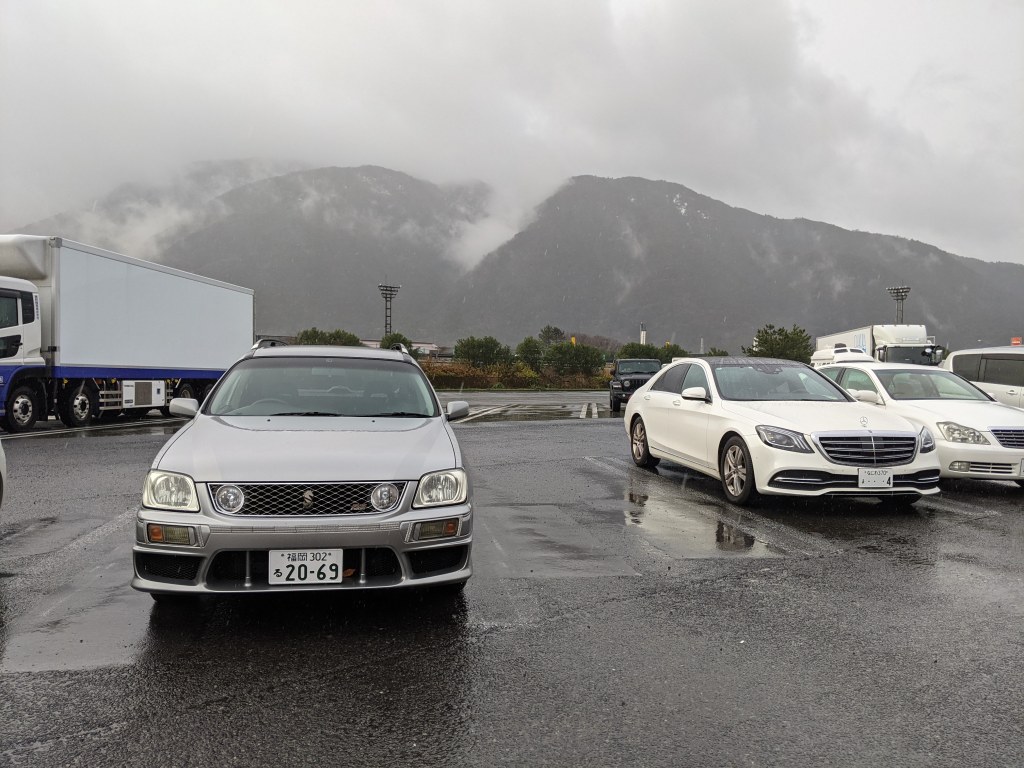
Taking a break on the Meishin Expressway

This trip ended up being a sort of mad-dash to get out there. We left around 7pm, planning to run all night and nap along the way. Nothing too remarkable on the journey there, just long roads and plenty of tunnels to cut the signal on my podcast stream. The Stagea is an amazingly well-suited road trip machine; despite the lack of cruise control it was smooth sailing from Fukuoka to Kobe without a hitch. The turbo kicks in right under 3000 RPM, making for plenty of fun overtaking action along the way.

Around Kobe I settled for the night at a highway service station, which is a fairly common practice in Japan. Even cars are socially distanced here, usually with two or three spots between them for privacy. There were plenty of Alphards and Hiaces with full curtains pulled over the windows for ultimate VIP napping. I didn’t have such luxurious curtains, but slept well under the cargo cover in the back of the Stagea. The length of the wagon allowed me to easily stretch out all 170cm of my height with room to spare. The Stagea passed the first road trip test with flying colors.

Japan does vans right, so right that they even do USDM vans right!

I managed three to four hours of solid Stagea napping before waking up and deciding to head out, but not before enjoying the luxuries of the Japanese service station. With an aesthetic similar to your favorite outlet mall, this rest stop was a great place to wake up. Also, the toilets on Japanese highways are second to none: seriously, you need to try them out if you ever come over here. Anyway, after enjoying the facilities, we were off again.

Anti-Tailgating poster in a Japanese highway service station

The next leg of the journey spanned from Kobe to Nagoya on the Meishin Expressway, passing Osaka and Kyoto on the way. Luckily, this highway skips most of the major city centers, and traffic was moderate the entire way. It was mostly a fifth-gear affair throughout the Meishin, and smooth sailing until we got into higher elevations.

Once passing Nagoya, we hopped on the Chuo Expressway, one of two major routes connecting Tokyo and Nagoya. Here, the rain began, which was definitely snow up in the hills. We were lucky not to encounter snow until we were well into the valley, and even then it was quite light. We made the trek without any issues, and rolled into Matsumoto in time for lunch roughly 17 hours after beginning the trek from Fukuoka.

Snowy 4WDs Of Nagano
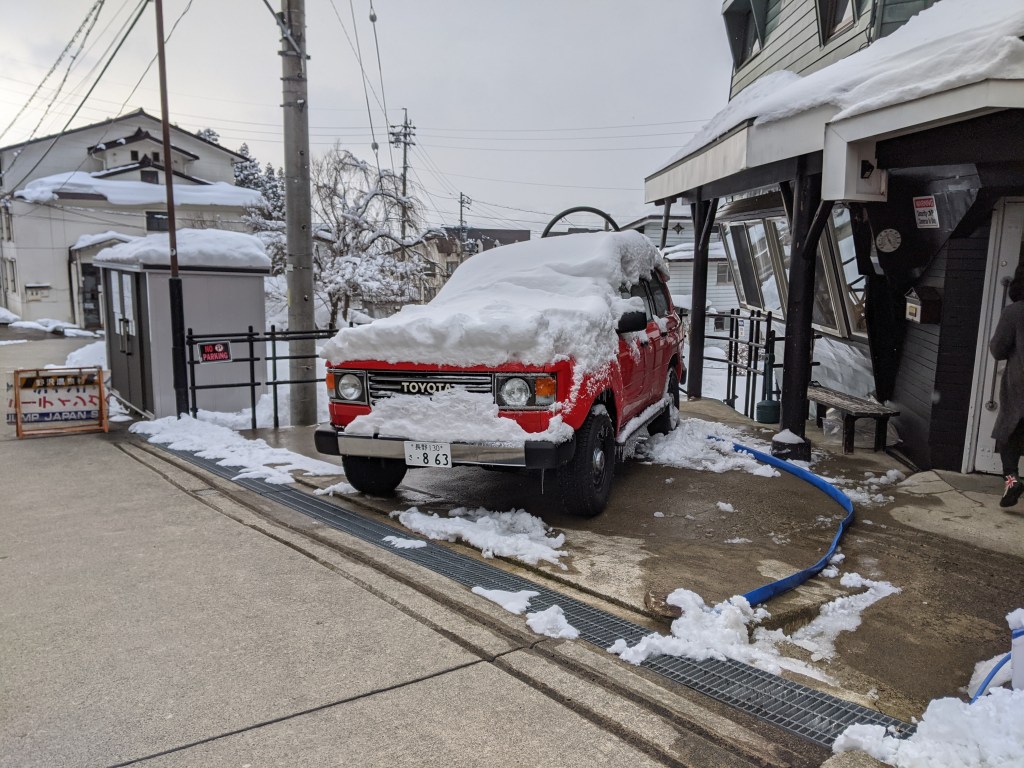
A well insulated Prado in Nozawa Onsen Village.

We spent a week in Nagano, traversing between Hakuba, Matsumoto, and Nozawa Onsen. The Stagea performed perfectly in all conditions, from rain to blizzard, with no issues at all. It was an absolute joy to row through the gears up and down these snowy mountain passes, getting to and from the various ski resorts we hit up during the week.

We also met many other amazing Japanese winter machines, also gladly traversing the snow just as they were designed to do. It’s seriously important to have proper snow tires and 4WD goes a long way out here. The locals and the tourists were all prepared, and we loved the sights along the way.

The Land Cruiser will always look right at home in the snow, this one had a manual as well!

The last stop of the journey was Nozawa Onsen, where the Stagea got a very healthy coating of snow while parked for a few days at the top of the hill. Even with all the weight, it crawled out just fine.

This was after we had already removed some of the snow from the Stagea

The Return Trip

Snow tires performed amazingly well throughout the journey

After a healthy week in the powder it was time for us to return back to Kyushu, the same way we came up. We stopped at the local michi no eki (Road Station) on the way out for some refreshments and a toilet break before hitting the long road home. 

The whole journey was a great experience and a truly bonding moment for the Stagea and I. This wagon is the ultimate companion for long distance journeys and the daily commute. Better yet, it’s a true pleasure to row through each gear and push those RPMs up to hear the turbo spool. We’re looking forward to many more journeys together, and we hope you’ve got some manual roadtrip plans in the future as well. 


@DownTheDori exports cars like this Stagea for Davey Japan. Follow @downthedori on Instagram to see what’s happening on the streets of Japan.
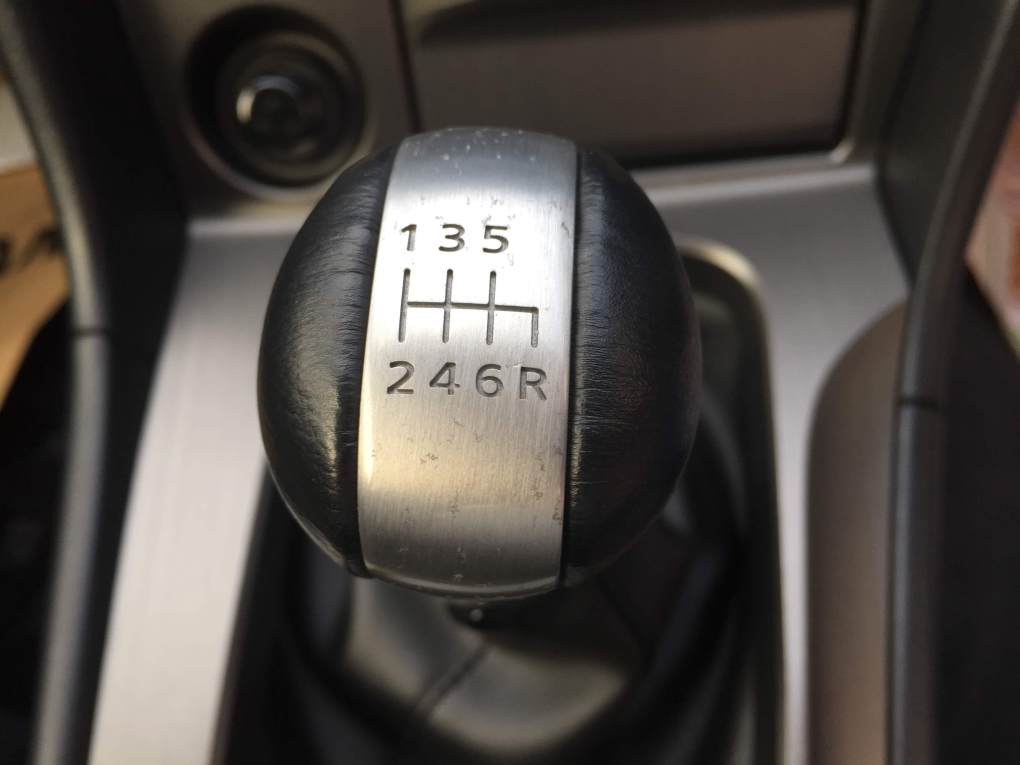

How Japan Gets it Right With Manuals on Used Car Listings

Have you ever been a victim of the false-manual listing scheme? We all know how it goes. First, you find the perfect car for sale, of course, listed as a manual. Then you start going through the photos only to be disappointed, there’s no clutch pedal to be found. You’ve been duped! What if there was a magical place that not only lists cars correctly as manual or automatic, but also tells you what kind of manual is in the car? That place is Japan, and they really know how to classify their manuals in all shapes and forms. Here’s how they do it.

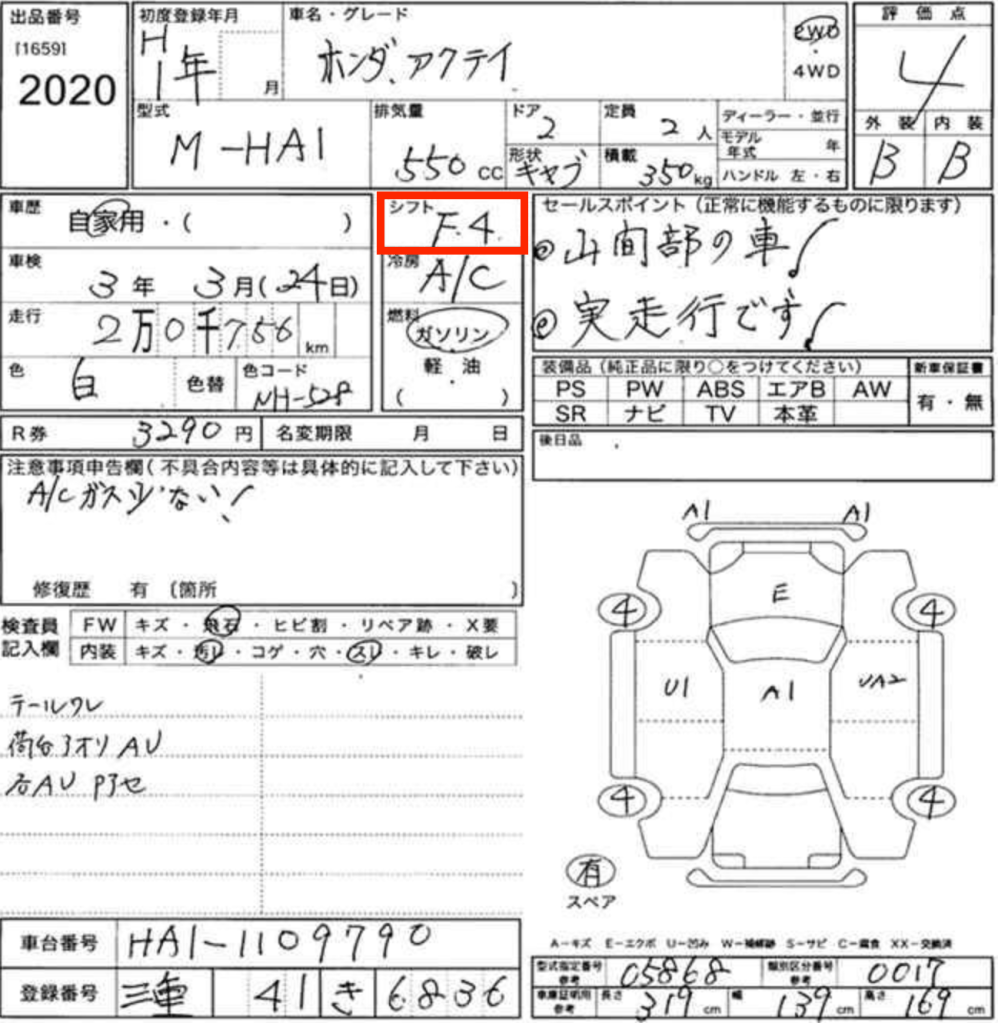
What we’re talking about specifically is the Japanese dealer auction network. You know, where those grainy photos of crazy JDM machines in white photo booths come from. The beauty of this system is that each auction house has a standardized sheet explaining everything about the cars, including their transmission. They look like this:

There’s a lot there, but this is TMGPS so we’re just here to talk about the gearbox. That section highlighted in red is where the gearbox is listed. It says “F4,” any guesses what that stands for? Pretty straightforward: “4” is the amount of gears, and “F” stands for Floor. So it’s basically saying “four on the floor.” Once you learn the system, you’ll be scoping out the best manuals that Japan has to offer. Here’s the legend below:

F – Floor
C – Column
I – Integrated (Dash)
D – Dash
P – Dash
MT – Manual Transmission
1-7 – The amount of gears there are

Example: C4 = Four-speed manual with a column shifter

While it’s not a perfect system, and there are some inconsistencies among the different auction houses, this is much better than calling a Tiptronic a manual. You may also see cars listed as “MT” or just “5,” but if it has the number, you can be assured it’s a manual.

Semi trucks and commercial vehicles get a bit odd. Their transmissions may be listed as “Pro-Shift,” a semi-automated manual, or other odd figurations like “6×2.” We’ll have to touch on that in another article as there’s a ton of diversity among commercial trucks. Praise the manuals of all shapes and forms!

One of the best things we’ve discovered with this knowledge is the fact that column shifters were offered up until the early 2000s on some Nissan and Toyota commercial trucks. We wonder if any manufacturer is brave enough to bring those back…

We all know that the manual transmission is becoming more and more endangered, and with that, variations of the manual are also dwindling at alarming rates. If you’re looking for a specific way to row, you can search the Japanese auctions at sites like http://www.daveyjapan.com to get your obscure shifting on. You can also find a shirt with your favorite manual shift pattern at our store, so check it out and share your shift pattern with the world!


@DownTheDori takes pictures of weird and interesting cars found on the streets of Japan. Follow @downthedori on Instagram to see what’s happening on the streets of Japan.

Honda’s Retro N-One Hot Hatch To Be Offered With a 6-Speed Manual in Sport Trim

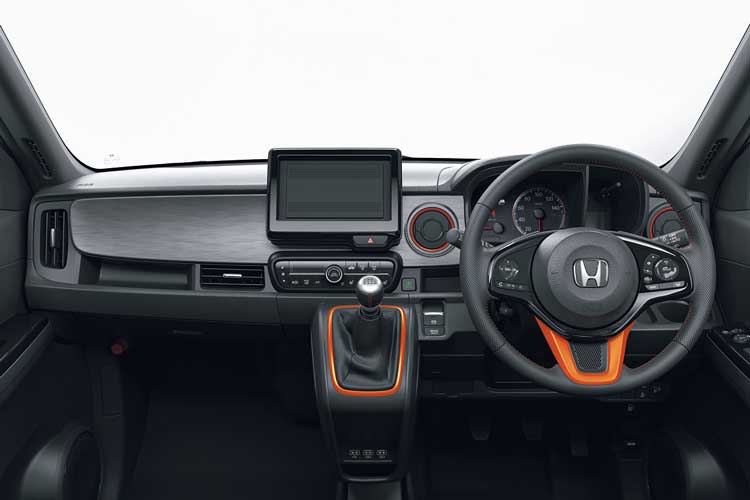
The Honda N-One keeps its retro styling intact, but it’s all-new under the sheetmetal. The most exciting part of this refresh is the turbocharged RS trim, featuring a six-speed manual transmission!

In case you’re unfamiliar, Honda’s N line includes four retro-themed models: the N-One, N-Box, N-Van, and N-Wagon. The “N” stands for “Nippon,” which is actually how you say Japan in Japanese. All models feature retro styling inspired by the Honda N-360 hatchback from way back in 1967. Think of them as a new take on Nissan’s Pike Cars of the early 90s. Japan just can’t get enough of these neo-retro cars. 

If the N-One isn’t your thing, then get yourself an original N360 like this and clean it up!

Despite the retro styling, the N-One hatchback can be optioned with the latest tech features from Honda, and is one of the first kei cars to feature LED daytime running lamps. Additional options include in-car navigation, full-automatic air conditioning, adaptive cruise control, Honda Sensing parking aids and more. At just 3.4 meters (~11.2ft) long, it really packs a ton of features in a small package.

The new N-One hatchback will be available in three grades; Original, Premium Tourer, and RS. The sporty RS trim features a 64hp turbo engine, up from 57 hp in the regular version. This is mated to a refined version of the S660 roadster’s six-speed manual transmission. To further the Honda lineage, an S2000-inspired leather-wrapped shift knob is also included in the package. Power is delivered to the front wheels, adding to the already impressive lineage of fun FWD cars from Honda.  All of that comes together to make a nice little hot hatch with just enough sporty touches to keep you smiling from town to touge. 

Although kei cars are unlikely to find themselves in other markets, we’re glad to know that tiny hot hatches are still well and alive in the JDM world. If you’re lucky enough to be in Japan, then take advantage of Honda’s amazing offerings like this and the S660 Roadster. We love to see a company keeping sporty manual cars alive, and we look forward to more great drivers’ cars from Honda in the next decade.

Information for this article was sourced from an article on Yahoo Japan. 


@DownTheDori takes pictures of weird and interesting cars found on the streets of Japan. Follow @downthedori on Instagram to see what’s happening on the streets of Japan.


Suzuki Jimny Production Begins in India for Export Markets: YES, They’re Building Manuals

It’s hard to believe that the new Suzuki Jimny has already been on the market for over two years, but it still hasn’t traversed the entire globe yet. The Indian joint venture Maruti-Suzuki is playing a key role in spreading Jimny joy across the globe, and yes, that includes three-pedal joy as well!

Maruti Suzuki has now begun manufacturing the Suzuki Jimny at their factory in India. Oddly enough, the new Jimny has not been released on the Indian market yet. Despite that, it’s being exported from India to foreign markets such as Latin America, the Middle East, and Africa. The first shipment is headed for Latin America, and there should be some manual transmissions on that boat.

The Jimny has enjoyed positive reviews from journalists across the globe, even from some North American journalists who long for the Suzuki Samurai’s successor to come back. It won the World Urban Car award in 2019, as announced at the New York International Auto Show that year. For those who haven’t seen it, the new Jimny is a refreshingly simple and capable off-roader. In Japan, the Jimny is offered with a kei-class 660cc 3cylinder engine, as it has been for over 30 years. There is also the Jimny Sierra, with a 1.5L naturally aspirated 4-cylinder engine. The larger engine is the only option for export models being produced in India. Both engines are available with automatic and manual transmissions.

Despite dwindling sales for manual transmissions globally, takeup is still quite high in many countries that the new Jimny is being exported to. We applaud Maruti-Suzuki for providing the world with simple, capable, and engaging driving experiences into the 2020’s. You can read more about Jimny production at Maruti-Suzuki’s Website.


@DownTheDori takes pictures of weird and interesting cars found on the streets of Japan. Follow @downthedori on Instagram to see what’s happening on the streets of Japan.